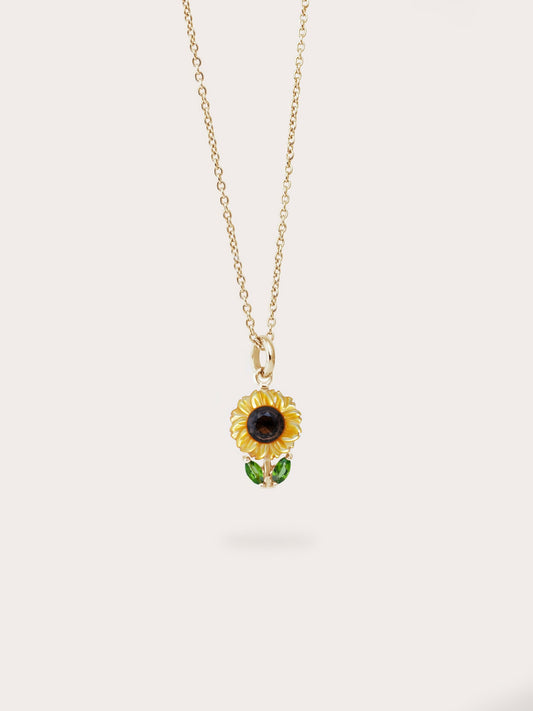
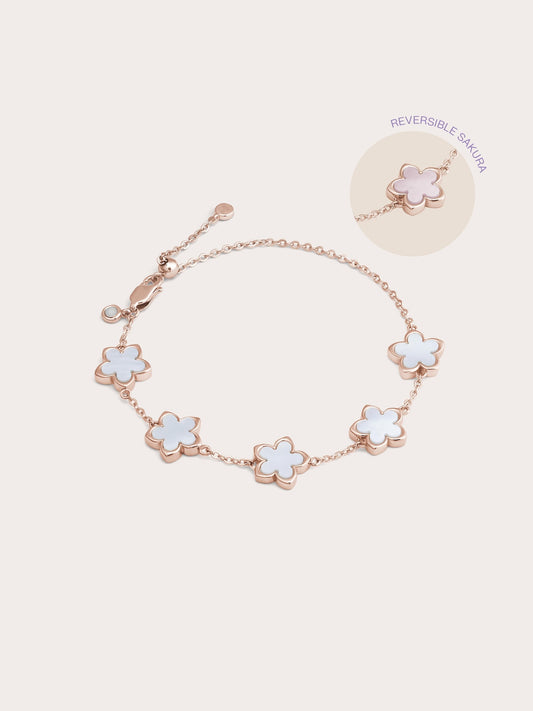
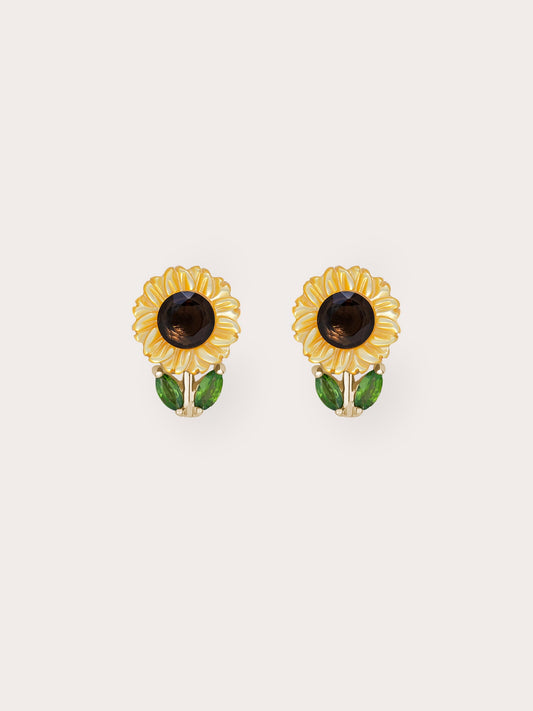
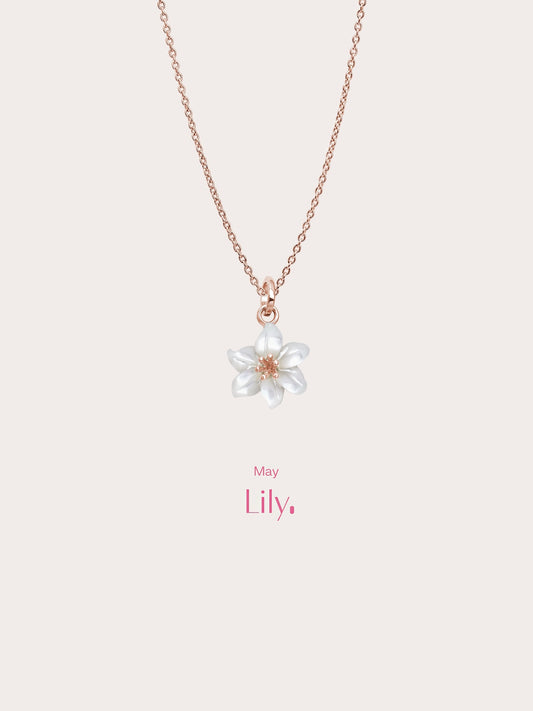
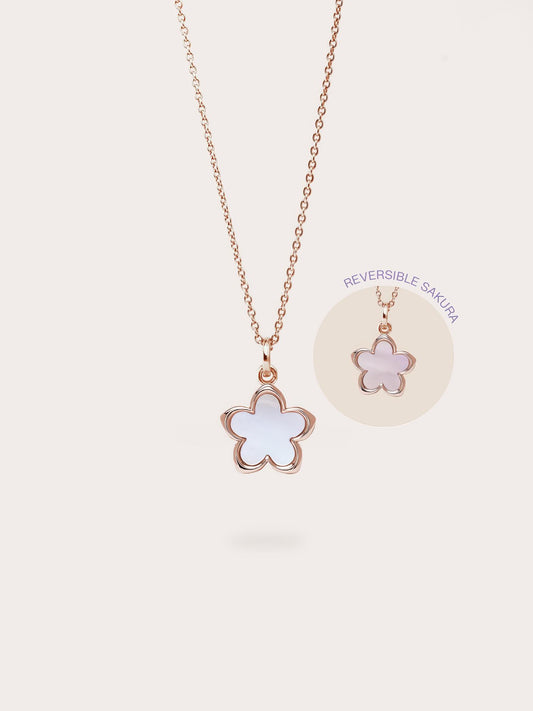
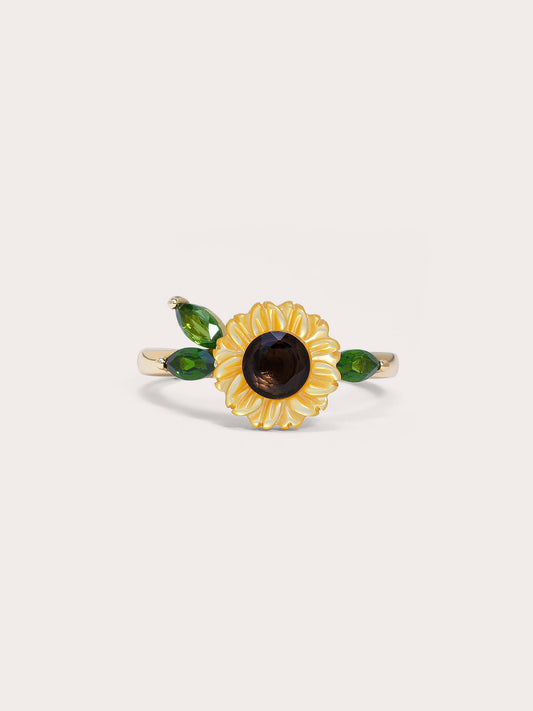
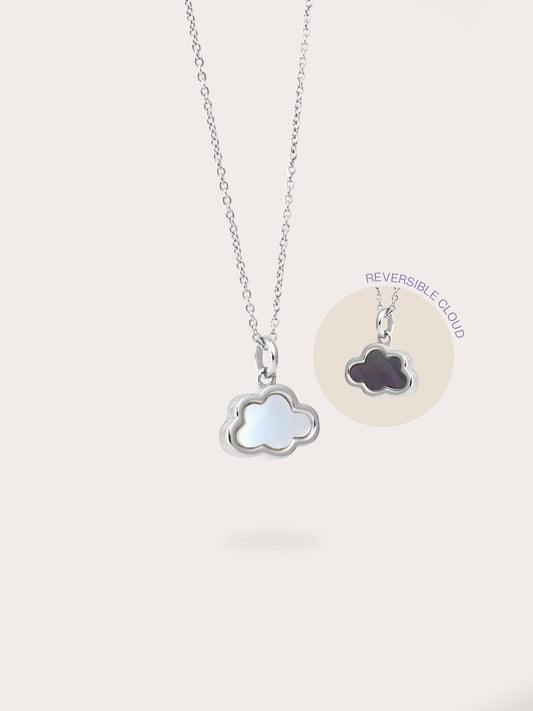
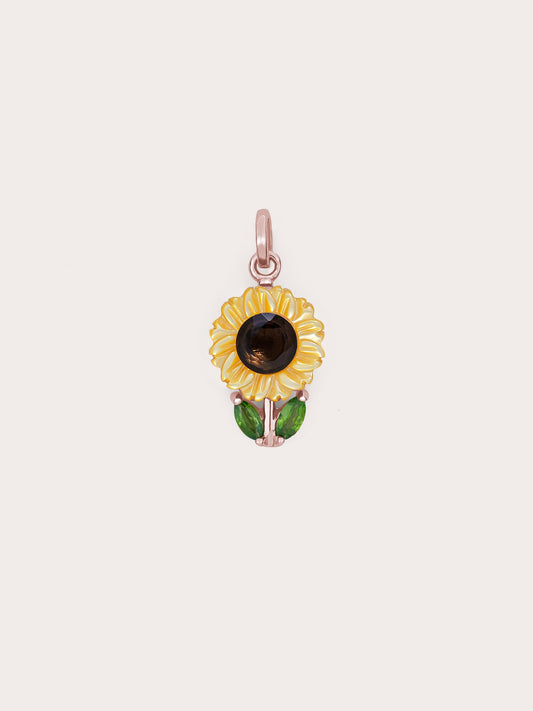
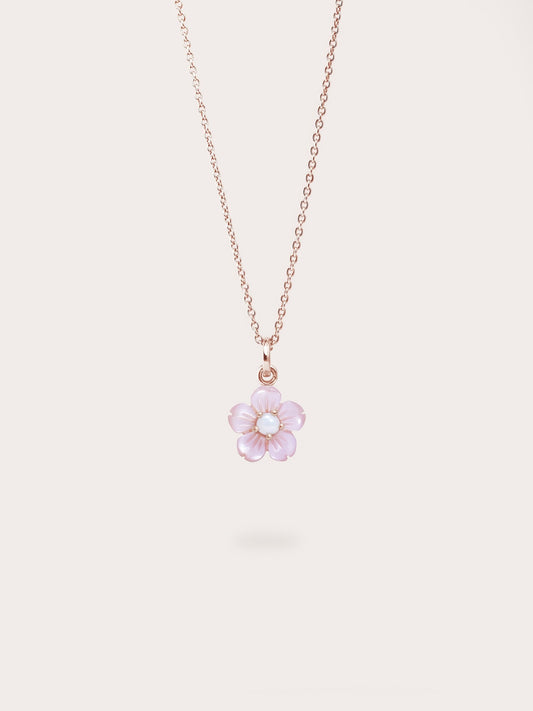
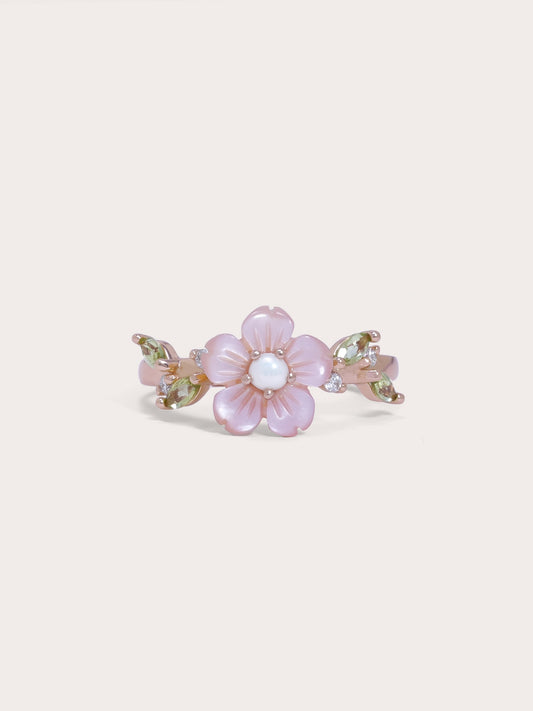
Mother of pearl is one of nature's most quietly remarkable materials. Formed layer by layer inside mollusk shells over years beneath the sea, it produces a soft, shifting iridescence that no synthetic material can replicate. Each piece carries its own unique pattern and glow — making every design one of a kind.
 What is Mother of Pearl Made Of?
 What is Mother of Pearl Made Of?
Mother of pearl is the iridescent inner lining of certain mollusk shells. This lustrous material, also known as nacre, has been prized for centuries due to its natural shimmer and ethereal glow.
The name "mother of pearl" refers to the iridescent inner lining of mollusk shells, which produces, protects, and "gives birth" to pearls. As the pearl's source, this calcium carbonate layer protects the oyster from parasites and injury by coating it in layers of nacre, which eventually forms a pearl.
Structurally, the nacre in pearls is a natural organic-inorganic composite material, consisting of approximately 95% aragonite (a crystalline form of calcium carbonate) and 5% organic compounds (conchiolin, proteins, and chitin).
This unique structure is what gives nacre its signature shimmer. As light passes through the translucent layers, it scatters and interferes with itself (a process known as thin-film interference), resulting in the distinctive, color-shifting iridescence that varies from silver to rose to blue depending on the angle.
 Where Does Mother of Pearl Come From?
 Where Does Mother of Pearl Come From?
Mother of pearl is produced from the inner lining of certain mollusk shells, particularly pearl oysters, abalone, and freshwater mussels, which can be found in both the oceans and freshwater habitats worldwide.
- Oysters are the most widely harvested, particularly the white-lipped and black-lipped pearl oysters found throughout the Pacific and Indian Oceans. The black-lipped oysters produce dark, iridescent colors such as black, green, blue, and bronze, whereas white-lipped oysters produce lighter tones such as white, cream, silver, and, on occasion, gold.
- Abalone, a large sea snail found along the coasts of California, Japan, New Zealand, and South Africa, is prized for its vivid nacre, known for its intense, multi-colored iridescent hues in deep blues, greens, purples, and pinks.
- Freshwater mussels from rivers and lakes in North America and Asia are a major source of more affordable mother of pearl, which typically has soft, pastel iridescence ranging from white to mauve.
This diversity of environments results in a wide range of colors. Its appearance varies with its surroundings, influenced by nacre layer thickness, species-specific pigmentation, and environmental conditions such as water temperature and diet.
 What Does Mother of Pearl Symbolize?
 What Does Mother of Pearl Symbolize?
For more than 40,000 years, mother of pearl has been woven into human culture, from the Aboriginal Riji shells worn in sacred ceremonies to the ornaments of ancient Egypt, to the button trade of the 19th century. Over the centuries, it has been found in sacred carvings, royal jewelry, and treasured heirlooms.
At its core, mother of pearl represents purity, intuition, healing, and prosperity. Many cultures believed it carried the ocean's protective energy, shielding the wearer from negative forces and encouraging emotional calm and balance.
From Chinese traditions associating it with good fortune to Native American cultures linking it to the cleansing power of water, its meaning has always been rooted in nature's protective forces.
Mother of pearl also has a strong connection to the ocean, as evidenced by its iridescence, which is similar to how light moves across still water, evoking a sense of softness, fluidity, and quiet strength.
Even as modern materials changed mass production after WWII, mother of pearl never lost its symbolic resonance. It remains a timeless symbol of grace, protection, and the enduring beauty of nature.
 Mother of Pearl vs Pearl — What’s the Difference?
 Mother of Pearl vs Pearl — What’s the Difference?
Though they share the same material, which is nacre, mother of pearl and pearls are quite different in how they look, form, and function.
SHAPE AND APPEARANCE
- Mother of pearl is a flat surface with no exact shape. This gem often takes the shape of the shell in which it is formed, cut and carved from the inner lining of a mollusk shell
- Pearls are mostly spherical but can grow into round, oval, and teardrop shapes and are formed entirely within the soft tissue of the mollusk.
FORMATION
- Mother of pearl is the lining layer of the shell itself
- Pearl is formed when an irritant enters the mollusk, which coats it in successive layers of nacre until a round gem is produced.
VERSATILITY
- Because mother of pearl comes in flat sheets, it can be cut and carved into various shapes, including floral motifs.
- Pearls are largely limited to their natural round form.
AFFORDABILITY
- Mother of pearl is more accessible in price.
- Pearls, particularly natural ones, are rarer and command a significantly higher price point.
 What Colours Does Mother of Pearl Come In?
 What Colours Does Mother of Pearl Come In?
 Why Mother of Pearl Is So Popular Today
 Why Mother of Pearl Is So Popular Today
Over the past few years, there has been a broader shift in jewelry toward materials that feel natural, considered, and quietly luxurious - away from maximalist sparkle and toward pieces with genuine character. Mother of pearl sits at the centre of this shift. Its soft iridescence reads as refined rather than showy, making it one of the few materials that works equally well in minimalist designs and statement pieces.
Unlike bold gemstones that demand a specific outfit or occasion, mother of pearl pairs naturally with gold, rose gold, and silver tones, and blends just as easily into a casual daytime look as it does an evening one. It is also remarkably lightweight, making it one of the more comfortable materials to wear across a full day.
For those who appreciate the luminosity of fine gemstones but want something lighter, more versatile, and made for everyday life, mother of pearl offers a refined and enduring alternative.
 How to Care for Mother of Pearl Jewelry
 How to Care for Mother of Pearl Jewelry
Mother of pearl is more resilient than it look. A simple, consistent routine is all it takes to keep its iridescence looking its best.
- Keep it away from perfumes, chemicals, and heat. Perfumes, lotions, household cleaners, and even certain skincare products can dull the nacre surface over time. Always apply fragrance and skincare before putting on your jewelry, not after. Direct sunlight and prolonged heat exposure can also cause gradual discoloration, so avoid leaving pieces on a windowsill or in a hot car.
- Wipe with a soft cloth after wear. A gentle wipe removes any oils or residue that can build up on the surface and affect its shine. For a deeper clean, use a drop of mild soap diluted in lukewarm water, wipe carefully, then dry thoroughly with a soft cloth. Never use ultrasonic cleaners, ammonia, alcohol, or abrasive products on mother of pearl.
- Store separately. Mother-of-pearl can scratch easily when stored alongside other harder gemstones. Keep each piece in its own soft pouch or lined box, away from other jewelry and out of direct sunlight.
- Remove before showering or exercising. Prolonged exposure to water, sweat, and heat can gradually diminish its natural iridescence.
 Discover Mother of Pearl in Mondays Made Jewelry
 Discover Mother of Pearl in Mondays Made Jewelry
At Mondays Made, mother of pearl is reimagined through refined, floral-inspired designs, from delicate earrings to statement pieces made for everyday wear.
We use natural, hand-carved mother of pearl for its timeless beauty and durability, ensuring each piece can be treasured for years to come.
Quality and care matter to us, which is why we offer:
- 30-day easy returns — worry-free shopping experience
- 2-year warranty — quality you can trust
- 10% of profits donated — look good, do good